Where this works
SNFs & senior living
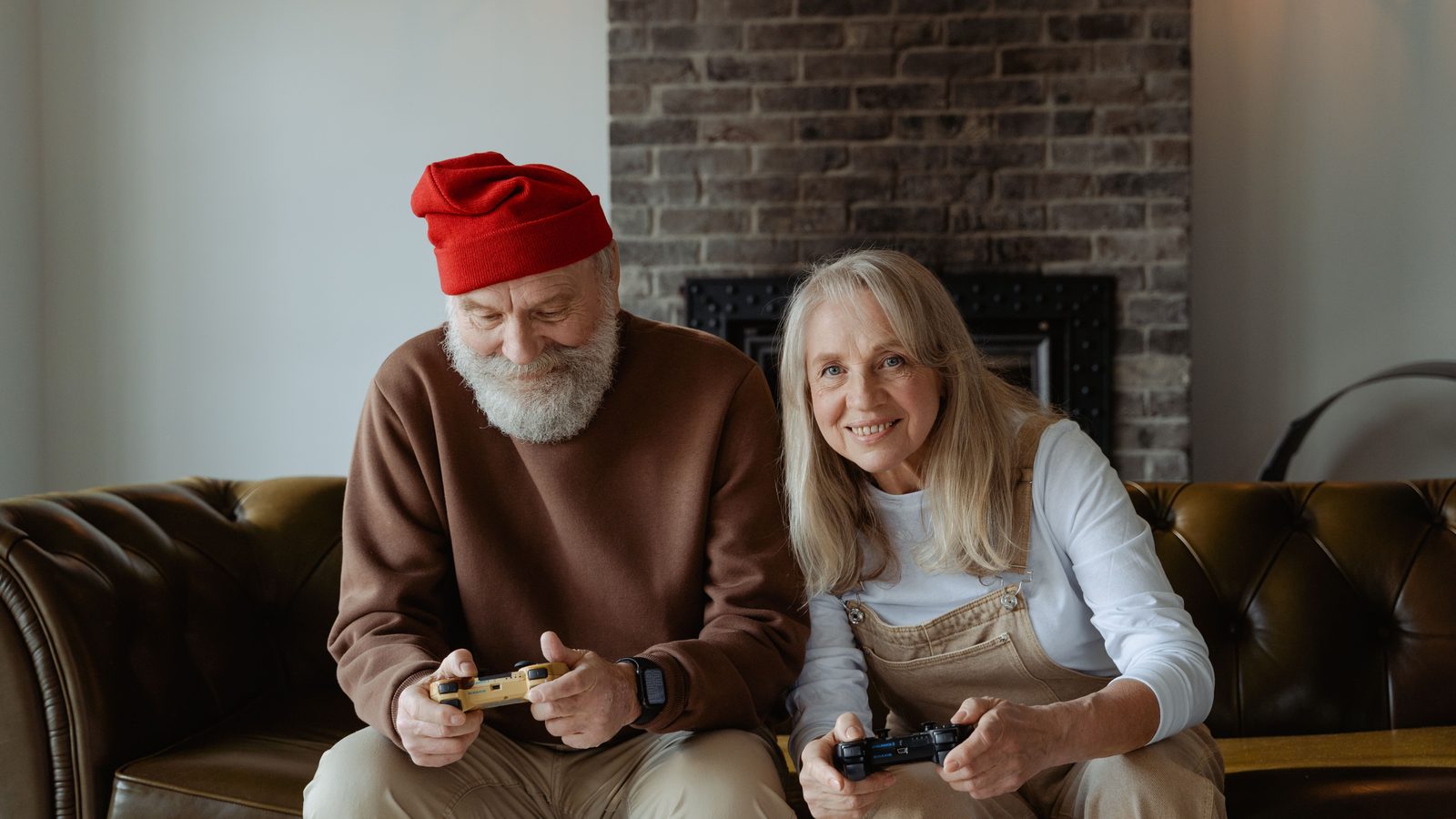
In skilled nursing and senior living, the win is engagement. Games give residents a reason to move, think, and connect: active play that clinicians direct toward balance and fall-prevention goals, cognitive challenge residents actually choose, and social play that pulls people out of their rooms. On a good day you can hear it down the hall.
What it looks like on the floor
Picture a recurring slot on the activity calendar: a motion-controlled bowling or rhythm game in the common room, graded so residents of different abilities can play together, with staff cueing posture, weight shift, and turn-taking.
Alongside it, therapists pull the same tools into skilled sessions: a game graded for standing tolerance in an OT session, a stepping game directed toward balance goals in PT. The program works when the group play builds engagement and the skilled sessions build on it, each documented in its own lane.
Who delivers it
Delivery here is often recreational-therapy-forward: RT staff run the recurring programming that gives games a home in the building, while the licensed therapy disciplines fold the same tools into their plans of care:
Occupational therapy
Grades games within the plan of care toward function: seated and standing tolerance, upper-limb use, cognition, and participation in daily activities.
Recreational therapy
Often carries the largest share of delivery here: recurring active-gaming and social-play programming that residents look forward to, run as part of the facility program.
Physical therapy
Directs motion-controlled play toward balance, strength, and endurance goals inside its own plan of care.
Speech-language pathology
Uses game formats for cognitive-communication and social-engagement goals inside its own plan of care.
Where the evidence stands
Research on active gaming with older adults is still young.
You will hear vendors promise fall reductions and cognitive gains. We would rather help you build a program whose value you can actually see: residents who show up, sessions documented well, and people who leave their rooms.
What games do reliably here is give someone a reason to move, think, and take a turn. The clinical team points that at balance, cognition, and participation goals, and owns the outcomes. See how we read the evidence →
How it gets paid for
Payment in skilled nursing is bundled. The facility is paid per day for the whole package of care, so a game-based program earns its budget through engagement, participation, and program quality rather than through new billing codes.
Recreational therapy contributes as facility program staff inside that model, while skilled therapy stays with the licensed OT, PT, and SLP plans of care. Build the case on what the payment model already rewards, and it holds up.
Bring it to your building
We train activity and therapy staff together, and we help facilities design gaming programs residents genuinely show up for.
Image credits
- Setting photograph: photo by MART PRODUCTION, used under the Pexels licence. Source.