Where this works
Behavioral health
In behavioral-health settings, the game is the doorway. A shared table, a character sheet, and a story give clients a low-pressure way to show up, speak up, and practice being part of a group. Games here are an engagement modality inside therapy: the clinician runs the clinical work, and the game makes people want to be in the room for it.
What it looks like in a program
The anchor is the therapeutic game group, and the strongest format we know for it is the tabletop role-playing game. A clinician facilitates a small group through a collaborative story: players build characters, make choices, face challenges together, and debrief.
Inside that structure the facilitator works on the things the group is really there for: turn-taking, frustration tolerance, perspective-taking, communication, and the experience of being capable in front of peers.
Our own narrative-first TTRPG system was built for exactly this use, with lightweight mechanics a clinician can run without heavy rules overhead. Explore the tabletop module →
Who delivers it
Several disciplines run therapeutic game groups well, each inside its own scope and license:
Occupational therapy
Uses play and leisure, named occupation domains in the OT practice framework, to work on engagement, routines, self-efficacy, and social participation within its scope.
Recreational therapy
Runs therapeutic recreation groups where structured play is the core modality, as part of the program.
Counselors, social workers & psychologists
Fold game structures into the therapy they already deliver, within their own license and scope, using the game as the engagement vehicle for their clinical work.
Where the evidence stands
A shared game gives a group something to do together while the harder work finds its way in. The table has a purpose, so nobody has to perform.
The research here is young, and it points toward motivation, engagement, and social participation rather than games treating any condition.
What makes a group work is familiar: clear goals, a facilitator who knows the material, and notes that capture what actually happened in the room. See how we frame the evidence →
What we provide
Structured training for clinicians who want to run therapeutic game groups: how to facilitate, how to grade the game to the group in front of you, how to keep the clinical goals in the driver's seat, and how to document the session as your discipline requires. We also consult on program design and materials, including our tabletop system, character sheets, and session generator.
How it gets paid for
Coverage in behavioral health varies widely by payer, program, and license, and the game itself is never the billable item: the clinician's service is. Where sessions are covered, a game-based group runs inside the clinician's existing covered service and is documented under that discipline's own standards.
In grant-funded, residential, and community programs it is typically a program cost justified by engagement and attendance. We help teams get the documentation right, and we would rather you hear the coverage limits from us than from a denial letter.
Start a therapeutic game group
We train facilitators and help behavioral-health programs stand up game groups that clients keep coming back to.
Image credits
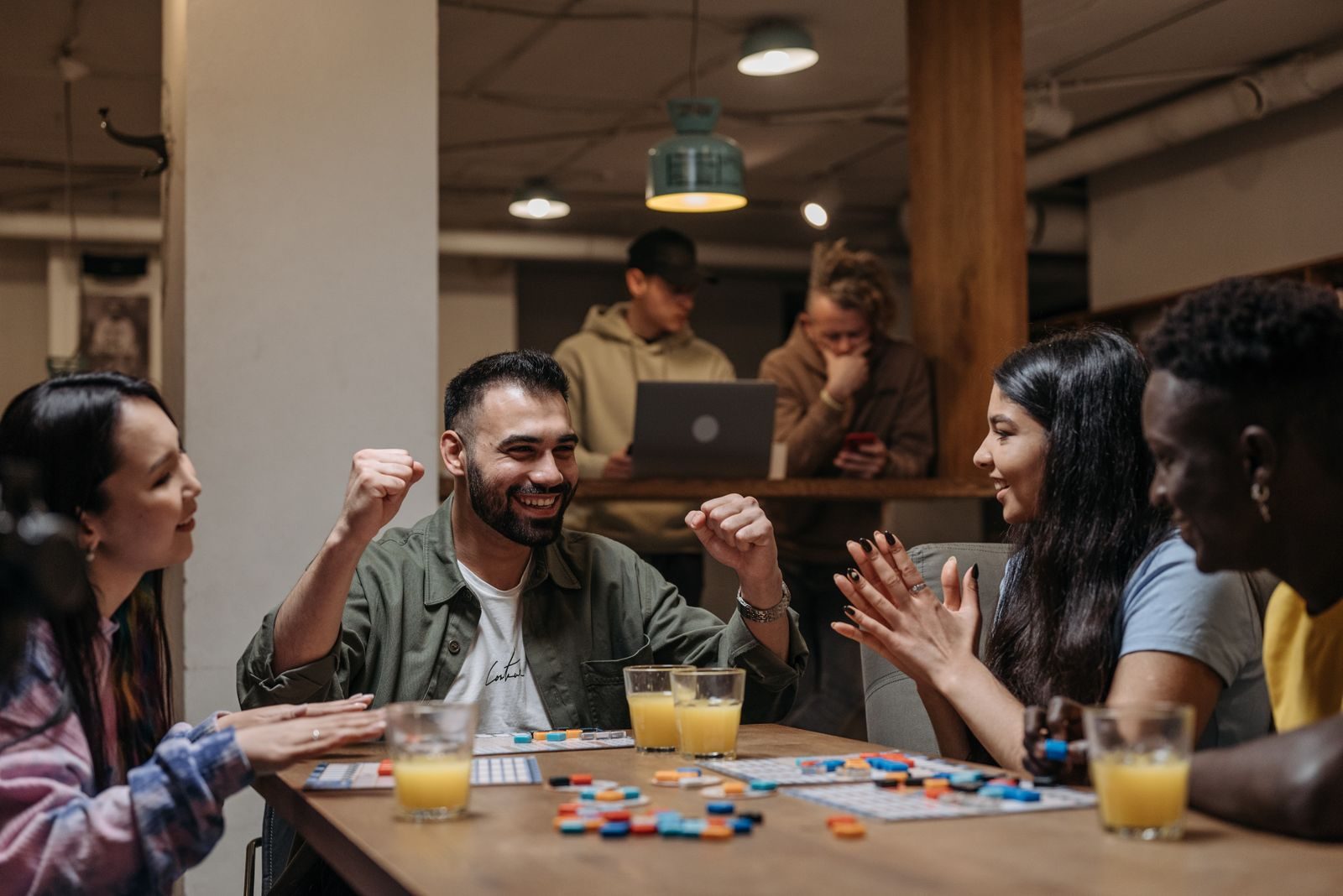
- Setting photograph: photo by Pavel Danilyuk, used under the Pexels licence. Source.